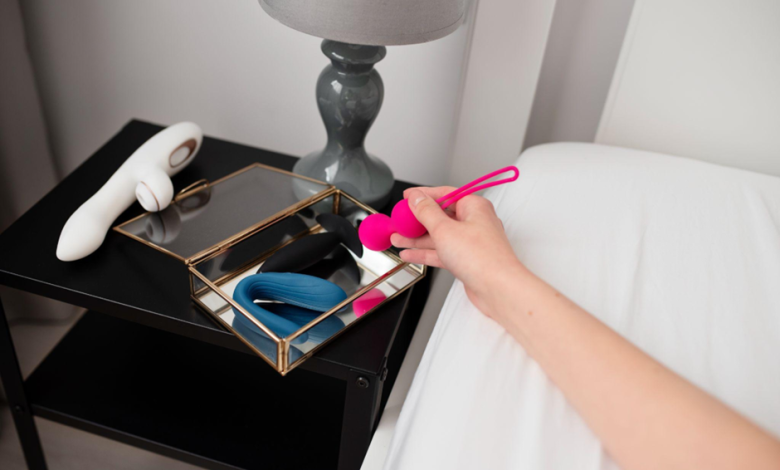
Key Takeaways
- A vibrating wand often gets replaced faster because its size, power, and noise make it harder to live with long-term, not because it stops working.
- A discreet vibrator tends to survive lifestyle changes better, especially when privacy, storage, and noise become everyday concerns.
- Many people buy a vibrating wand for intensity, then quietly switch to a discreet vibrator for consistency and convenience.
- Replacement cycles are driven more by habit fit than by performance specs.
- What feels exciting at purchase can feel impractical after the novelty phase wears off.
Introduction
People do not usually replace a vibrating wand because it “failed” at its job. They replace it if the relationship with the device changes. The same power that made it appealing at the start can become the reason it sits unused. By contrast, a discreet vibrator often fits more smoothly into daily routines, shared living spaces, and changing privacy needs, which makes it less likely to be retired quickly. The replacement pattern says more about lifestyle friction than product quality.
Power Is Impressive, Until It Becomes Inconvenient
A vibrating wand is often bought for one reason: intensity. The motor strength, wide head, and deep vibration patterns are marketed as a shortcut to results. That promise works early on, but power also creates friction. High output can feel like overkill for short sessions, especially when someone just wants a quick, low-effort experience without turning their room into a mini construction site. Over time, users realise they are adapting their behaviour around the device rather than the device fitting into their habits. Once a tool starts dictating timing, posture, and setup, replacement becomes more likely.
There is also the fatigue factor. Strong vibration is not always what someone wants on every use. Many users downshift their preferences as sensitivity changes or as they become more familiar with what actually works for them. A vibrating wand that only feels right on higher settings becomes harder to justify keeping around when it no longer matches everyday needs. That mismatch accelerates the replacement cycle.
Size, Storage, and the “Where Do I Put This?” Problem
Full-size devices are not neutral objects in a living space. A vibrating wand is harder to store discreetly, harder to travel with, and harder to keep out of sight in shared homes. This situation is not a moral issue; it is a logistics issue. Once storage becomes a minor project and charging becomes a visible routine, friction builds. People start leaving the device uncharged, then unused, then replaced.
A discreet vibrator, by design, avoids this problem. Smaller size, easier concealment, and simpler storage mean it fits into drawers, toiletry bags, and charging routines without drawing attention. Over months, that low-friction setup matters more than raw performance. Devices that are easy to live with get used. Devices that require planning get replaced.
Noise, Privacy, and the Reality of Shared Spaces
Noise tolerance drops as living situations change. What feels fine in a private room can feel awkward in shared flats, thin-walled apartments, or when schedules overlap with other people at home. A vibrating wand’s sound profile is harder to hide. Even when marketed as quiet, larger motors have a presence. That presence becomes a practical barrier.
A discreet vibrator is more likely to pass the “no one notices” test. This instance changes usage frequency. Once people can use a device without planning around noise, they use it more consistently. Consistent use keeps a product in rotation. Inconsistent use pushes people to look for alternatives that better match their environment.
The Novelty Curve and the Buyer’s Reality Check
The purchase of a vibrating wand is often driven by hype, reviews, and the promise of a dramatic upgrade. The novelty phase is real. So is the comedown. Once the initial excitement fades, people evaluate the device on boring criteria: ease of use, setup time, storage, noise, and whether it fits into real routines. This situation is where many wands lose. The discreet vibrator rarely wins on spectacle, but it wins on repeatability. It becomes the device people reach for without thinking.
This situation is why replacement does not mean regret. It means recalibration. Users learn that their daily preferences lean towards convenience over spectacle. The second purchase is usually more practical than the first.
Conclusion
People replace a vibrating wand faster than a discreet vibrator because daily life punishes friction. Power, size, and noise feel exciting at checkout but demanding at home. Over time, habits reward devices that fit quietly into routines rather than dominate them. The long-term winner is rarely the most intense option. It is the one that asks the least from the user and delivers without making a scene.
Visit Horny.sg and adult toy designs built for real homes, real schedules, and real privacy-the kind you reach for without negotiating with your space, your time, or your walls.